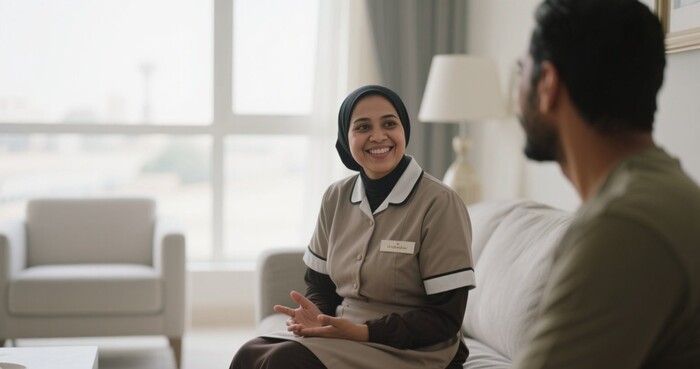
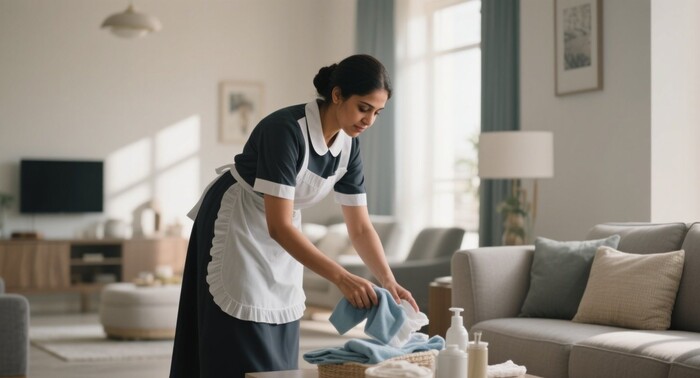
Well-trained domestic workers do far more than complete daily household tasks. They contribute to a safer home, more consistent routines, and a stronger working relationship with the families they support. While experience is valuable, professional training helps transform practical knowledge into reliable performance that benefits everyone in the household.
Families looking for qualified maids in Dubai increasingly recognise that successful recruitment is not only about selecting the right candidate. It also depends on the level of preparation, practical skills, and ongoing guidance a domestic worker receives before and after joining a new household. Structured training helps reduce uncertainty, improves confidence, and allows domestic workers to adapt more quickly to different family routines and expectations.
Rather than viewing training as something completed before employment begins, many families now see it as an ongoing process that supports continuous improvement throughout the entire employment relationship.
🎯 Why Training Has Become More Important Than Ever
Modern households often require domestic workers to perform a wide variety of responsibilities. Depending on the family's needs, a maid may assist with housekeeping, childcare, meal preparation, laundry, or organising daily household routines.
Because every family has different expectations, proper training helps domestic workers develop practical skills that can be adapted to different home environments instead of relying solely on previous experience.
Well-structured training helps workers:
- 🏡 Adapt more quickly to new household routines.
- 🧹 Perform daily tasks with greater confidence.
- 🤝 Communicate more effectively with employers.
- ⏰ Organise their workload more efficiently.
- 🌱 Continue improving their skills over time.
For families, this creates a smoother transition, greater consistency, and a more reliable household environment from the very beginning.
🛡️ Training Improves Safety Inside the Home
One of the greatest benefits of structured training is reducing avoidable household risks.
Domestic workers who understand safety procedures are generally better prepared to use household equipment correctly, handle cleaning products responsibly, and respond appropriately in everyday situations.
Training often covers areas such as:
- Safe operation of household appliances.
- Proper handling and storage of cleaning materials.
- Kitchen hygiene and food safety.
- Basic emergency awareness.
- Child and elderly safety practices where required.
Small improvements in knowledge can significantly reduce accidents while creating a safer home for every member of the family.
💡 Tip: Even experienced domestic workers benefit from learning the specific safety procedures and household routines used in each new home, because every family has different expectations and equipment.
🧹 Practical Skills Create Better Daily Performance
Professional domestic work involves far more than completing household chores. Every home has its own standards, routines, and priorities, which means practical skills must be flexible enough to adapt to different family lifestyles.
Well-designed training programmes focus on developing everyday skills that improve both efficiency and consistency while helping housemaids perform their responsibilities with greater confidence.
Examples of practical skills include:
-
🧹 Organising daily housekeeping routines.
-
👕 Proper laundry care and garment handling.
-
🍽️ Safe food preparation and kitchen organisation.
-
👶 Supporting childcare according to the family's routine.
-
⏰ Time management and prioritising daily tasks.
Rather than relying on trial and error, trained domestic workers are better equipped to organise their work, complete tasks more efficiently, and adapt to changing household needs.
Families who wish to improve specific household skills can also explore our guide on teaching proper ironing skills, which explains practical methods for developing one of the most frequently used domestic skills.
🌍 Training Builds Communication and Cultural Awareness
Many domestic workers relocate from different countries and cultures before joining families in the UAE. While professional skills are important, successful integration also depends on communication, cultural understanding, and knowing what is expected inside the home.
Training often helps domestic workers understand:
-
UAE customs and everyday social expectations.
-
Professional communication with employers.
-
Household privacy and personal boundaries.
-
Respect for family routines and individual preferences.
-
The importance of confidentiality and professionalism.
Developing these skills helps reduce misunderstandings while making daily communication more comfortable for both families and domestic workers.
Good communication is often the difference between simply completing tasks and becoming a trusted, reliable member of the household.
📈 Continuous Learning Creates Long-Term Stability
Training should not end once employment begins.
As household routines evolve, children grow older, or new responsibilities arise, nannies benefit from continuous guidance that helps them expand their knowledge and improve their performance over time.
Continuous learning may include:
-
Learning new household routines.
-
Improving organisation and efficiency.
-
Developing additional childcare skills.
-
Expanding cooking knowledge.
-
Strengthening communication and problem-solving abilities.
This ongoing development benefits everyone. Domestic workers become more confident in their roles, while families enjoy greater consistency, fewer misunderstandings, and stronger long-term working relationships.
💡 Tip: Short, regular coaching sessions are often more effective than occasional intensive training. Small improvements introduced consistently usually produce the best long-term results.
🤝 Why Training Benefits Both Families and Domestic Workers
The value of training extends far beyond learning how to complete individual tasks. It creates a stronger foundation for communication, cooperation, and long-term success inside the home.
When domestic workers receive structured training, they understand their responsibilities more clearly, work with greater confidence, and adapt more quickly to each family's expectations. At the same time, families benefit from more predictable routines, improved service quality, and fewer misunderstandings.
The benefits can be seen from both perspectives:
| For Families | For Domestic Workers |
|---|---|
| More consistent household routines | Greater confidence in daily responsibilities |
| Improved safety and hygiene | Better professional skills |
| Fewer misunderstandings | Easier adaptation to new households |
| Better communication | Increased job satisfaction |
| Greater long-term stability | More opportunities for continuous development |
Training is therefore an investment in the success of the entire household, not simply an investment in one employee.
🌱 Learning Never Stops
Every family is different, and domestic workers continue learning throughout their employment.
As new appliances are introduced, children's routines change, or household priorities evolve, ongoing guidance helps domestic workers maintain high standards while adapting to new responsibilities with confidence.
Many practical skills can be developed gradually, including:
-
👔 Advanced garment care and ironing techniques.
-
🍳 Meal planning and home cooking.
-
👶 Age-appropriate childcare support.
-
🏡 Better organisation of household routines.
-
💬 Stronger communication and time management skills.
For example, families who would like to expand a maid's cooking abilities can explore our guide on developing home cooking skills, which explains practical ways to build confidence in meal preparation while maintaining food safety and kitchen organisation.
❓ Frequently Asked Questions
-
Why is training important for domestic workers?
Training helps domestic workers perform their responsibilities more safely, efficiently, and consistently. It also improves communication, confidence, and adaptability when joining a new household.
-
Does training only happen before employment?
No. While initial orientation is important, continuous learning and regular guidance help domestic workers improve their skills throughout their employment.
-
Which skills benefit most from additional training?
Housekeeping, ironing, cooking, childcare, communication, time management, and household safety are among the skills that can be strengthened through ongoing practical training.
-
Does training improve the relationship between families and domestic workers?
Yes. Better preparation leads to clearer expectations, fewer misunderstandings, improved communication, and greater trust, all of which contribute to a healthier long-term working relationship.
📞 Invest in Skills That Benefit Your Home
Well-trained domestic workers bring more than practical skills—they contribute to a safer home, smoother daily routines, and stronger long-term household stability. When families support continuous learning, they create an environment where both the household and the domestic worker can grow together.
At Ezee Workers Employment Services Center, we believe that preparation, practical training, and ongoing development are essential parts of responsible domestic worker recruitment. These principles help families make informed hiring decisions and support successful long-term employment.
If you would like guidance on choosing qualified domestic workers or understanding the recruitment process, contact our team and we'll be happy to assist you.